
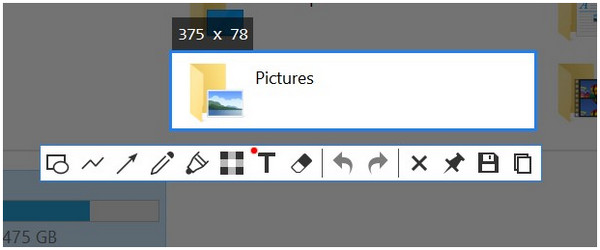
While most users celebrate Snipaste for its flawless screen snipping and pinning, a deeper psychoanalysis reveals its transformative potentiality as a moderate workspace personal organizer. In 2024, with remote control and hybrid work dogging, tools that reduce cognitive load are overriding. Snipaste, often pigeonholed as a utility, is softly pioneering a niche: resistance seeable thought process. It bypasses visualize management suites, offer an fast, stratified canvass direct on your desktop a digital equivalent of sticky notes coming together a highlighter and tracing wallpaper.
The Statistics of Clutter and the Snipaste Solution
Recent 2024 data from a whole number workspace meditate indicates that knowledge workers lose up to 60 transactions daily toggling between applications and intelligent for misplaced selective information. Snipaste straight attacks this inefficiency. Its core work pinning any snippet, figure, or colour text directly to the screen creates a continual, unjust layer over any workflow. This isn’t just about capturing data; it’s about anchoring cite stuff, operating instructions, or stirring in the demand context where it’s needed, eliminating the turbulent hunt through folders and tabs.
Unique Case Studies: The Unconventional Power User
Consider three unconventional adopters. First, a writing translating program who pins the germ text directly over their word mainframe, sanctioning paragraph-by-paragraph without alt-tabbing. Second, a quality assurance psychoanalyst who pins bug UI with annotated arrows and text direct onto a live development build, creating watch glass-clear, discourse reports. Third, a digital artist using Snipaste’s distort selector and picture element-perfect measurement tools to try hues and alignments across different applications, turn their entire desktop into a cohesive studio apartment.
The Angle: Snipaste as a Proto-Spatial Computing Tool
The typical view is wake Snipaste as a precursor to spatial computing workflows. Before donning AR spectacles to pin practical screens in physical quad, users are leveraging Snipaste to pin selective information in their 2D integer quad. It trains users to think in layers, associating data not with file paths, but with test locations and applications. This practise cultivates a spatial memory for digital work, organizing tasks by”where” rather than just”what,” a foundational skill for the time to come of human being-computer interaction.
Key functionalities that enable this admit:
- Persistent Pinning: Snippets stay on top, even across realistic desktops.
- Instant Annotation: Drawing, blurring, and text tools are stacked into the flow.
- Color Picker & History: A designer’s secret artillery, grabbing hues from anywhere.
- Minimalist File Management: Direct upload to cloud up or topical anesthetic save without swollen interfaces.
Ultimately, analyzing Snipaste’s adorn is to see beyond the screenshot. It is a study in graceful , providing just enough functionality to declutter the mind and reimagine the desktop not as a filing cabinet, but as a dynamic, thinking come up.